Open. Circulate.
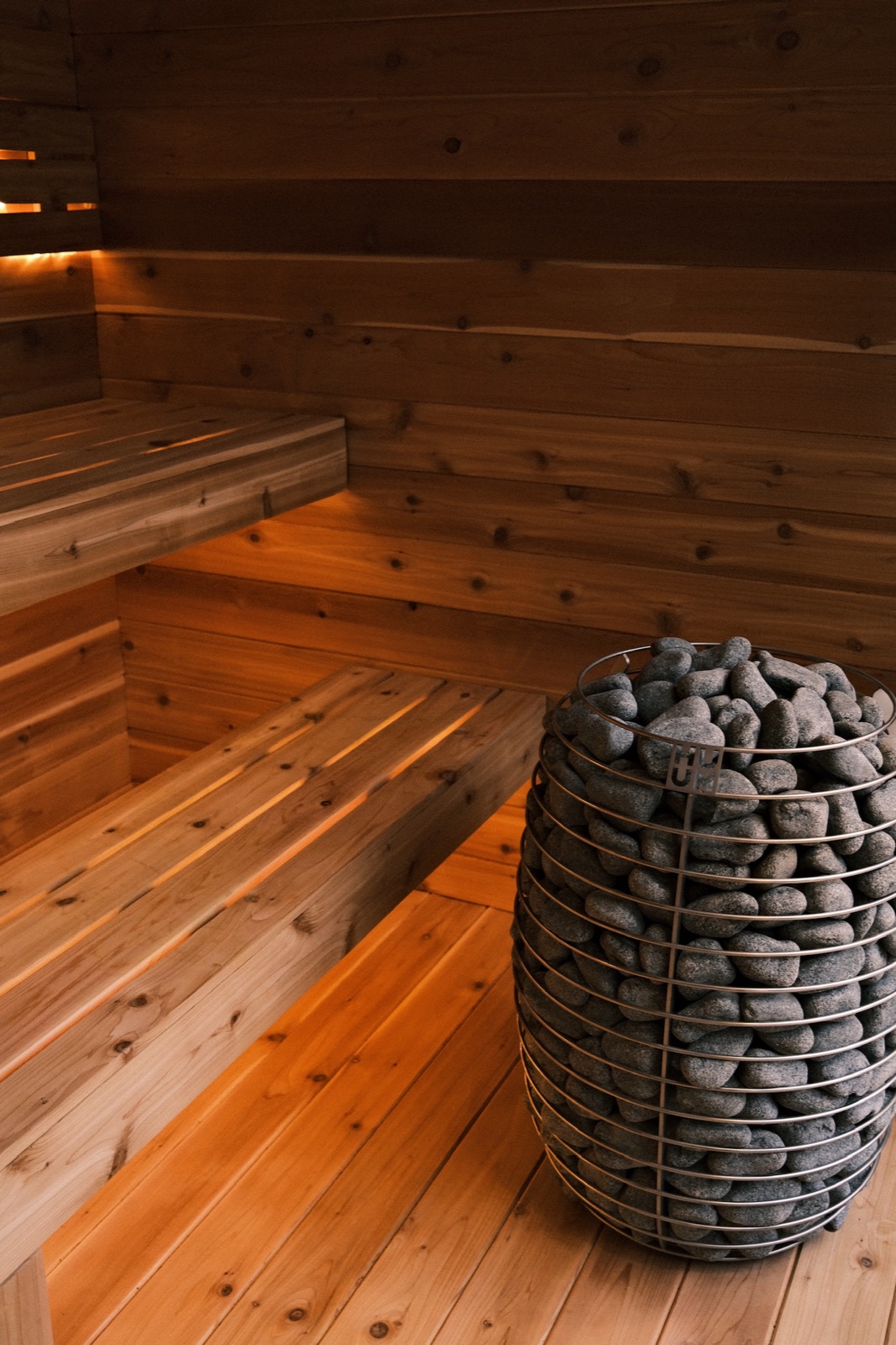
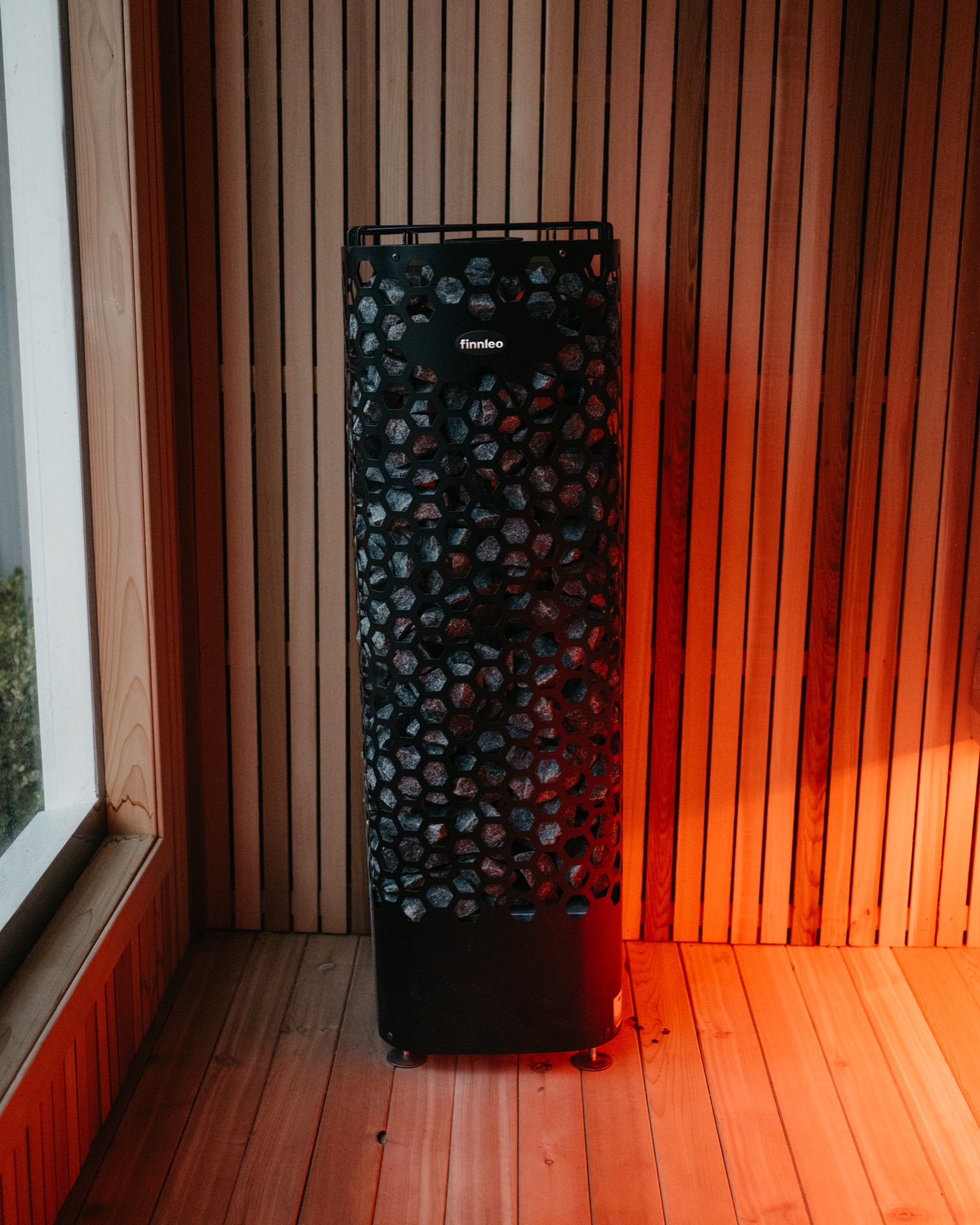
15 to 20 minutes at 160–195°F. Heart rate climbs like light exercise, vessels dilate, the body sweats and lets go. The work happens quietly.
The Practice
Heat, then cold, then stillness. The oldest recovery practice in the world, and how to do it well at home.
Contrast therapy is the deliberate cycling of heat and cold, sauna to plunge, with a pause between rounds. Finns have practiced it for thousands of years, rolling from the sauna into the lake. Roman baths built entire rooms around it, the caldarium, the frigidarium. The tools were always the same: something hot, something cold, and a place to be still.
Modern life removed the triggers. We live at 72 degrees, year-round, and the nervous system that evolved on temperature swings never gets the signal. The practice puts the signal back, on purpose, on your schedule.
Each phase does a different job. The practice is the rhythm between them.
15 to 20 minutes at 160–195°F. Heart rate climbs like light exercise, vessels dilate, the body sweats and lets go. The work happens quietly.
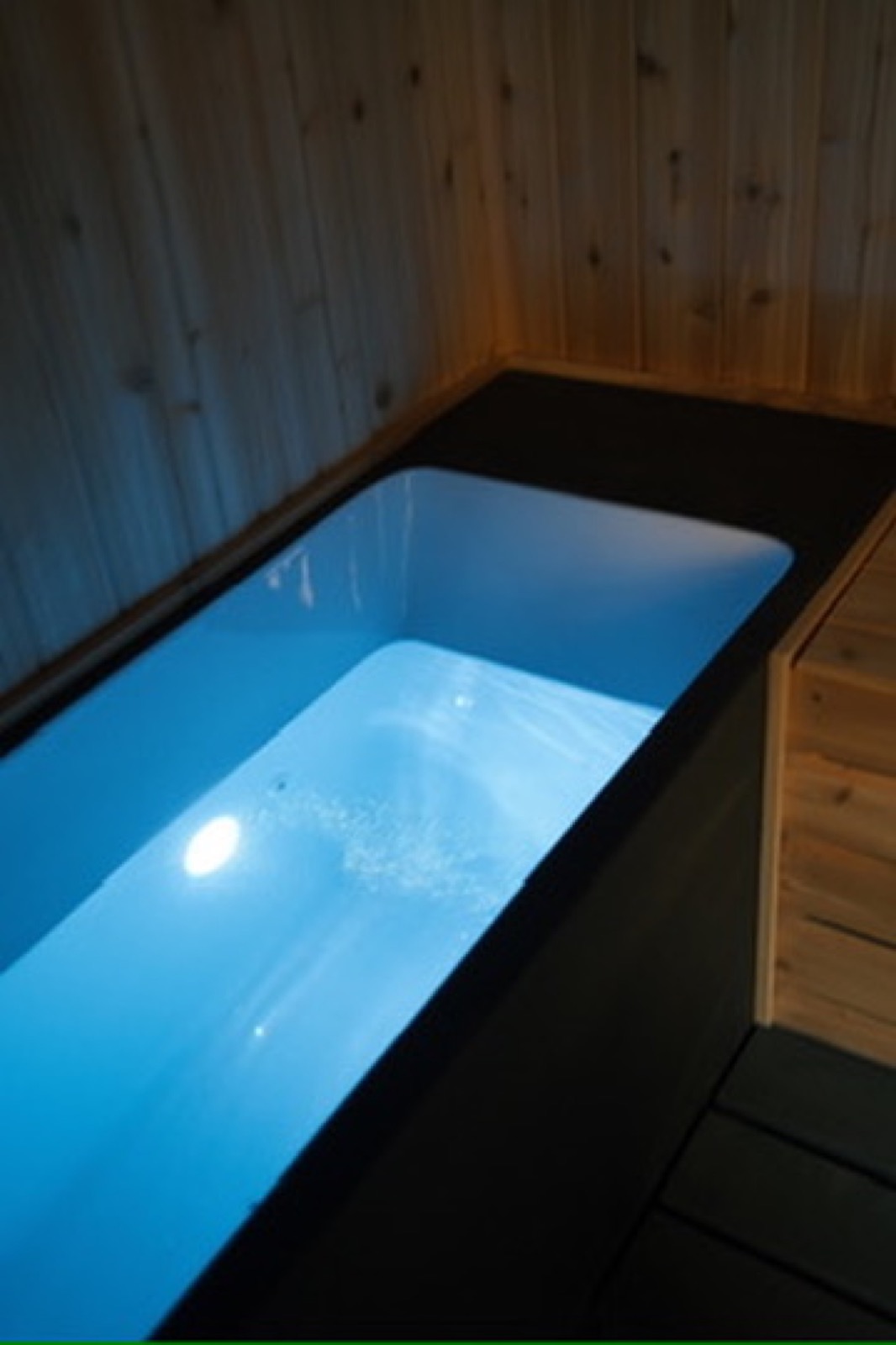
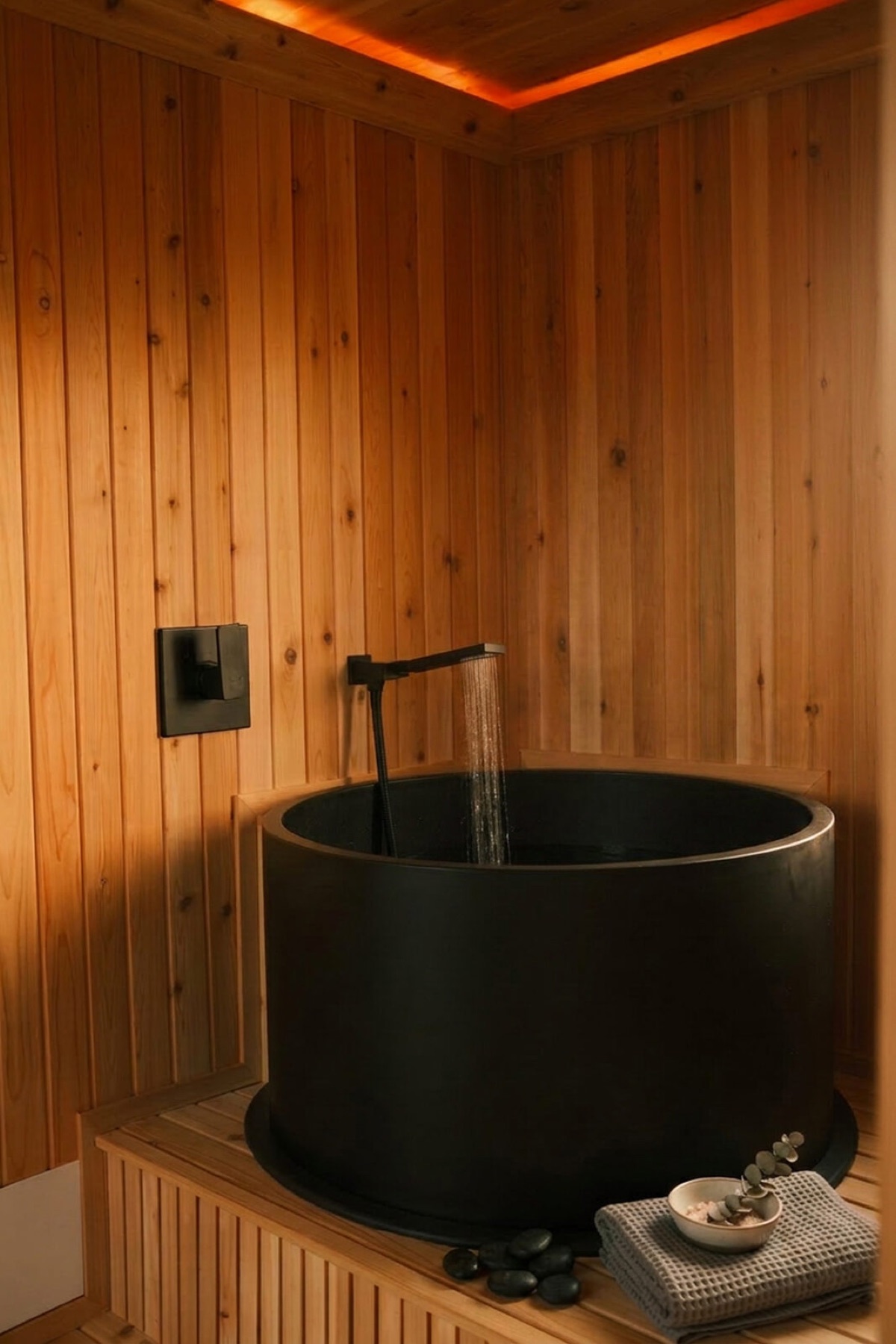
1 to 3 minutes at 38–55°F. Vessels constrict, breath wants to run, you slow it down anyway. The discipline is the point.
5 to 10 minutes of nothing. Sit, breathe, let the systems settle before the next round. Most people skip this. Don’t.
"The heat opens you, the cold wakes you, the stillness is where it lands."Cole, Founder
The loop, in practice
Start gentle. One round is a real session; two or three is a practice. End on cold if you want energy, end on still if you want sleep. Hydrate before, during, and after, and let your breath set the pace, not the clock.
Why it works
Regular sauna use is associated with cardiovascular benefits in long-running Finnish cohort studies. Cold exposure is linked to improved mood and alertness. Together, the cycle trains the systems that regulate stress, one that ramps you up, one that settles you down. Not a cure for anything. A practice that compounds.
Heat first. Warming up before the plunge makes the cold productive instead of just miserable, and the contrast is where the benefit lives. Cold-only sessions have their place, but the classic loop starts hot.
38–55°F. Colder is not automatically better; time and consistency matter more than bravado. If you’re new, start at the warm end for 1 minute and work down over a few weeks.
2–4 sessions a week is the sweet spot for most people. The Finnish cohort data on sauna suggests benefits scale with frequency. Daily is fine if you feel good; rest days are fine too.
No. If you’re pregnant, have a heart condition, blood pressure issues, or any chronic illness, talk to your doctor first. Never practice under the influence of alcohol, don’t push through dizziness, and keep sessions shorter in your first month.
Water, mostly. You’ll sweat more than you think, so drink before and after every session. Skip heavy meals within an hour of the heat, and skip alcohol entirely, it blunts the benefit and adds risk.
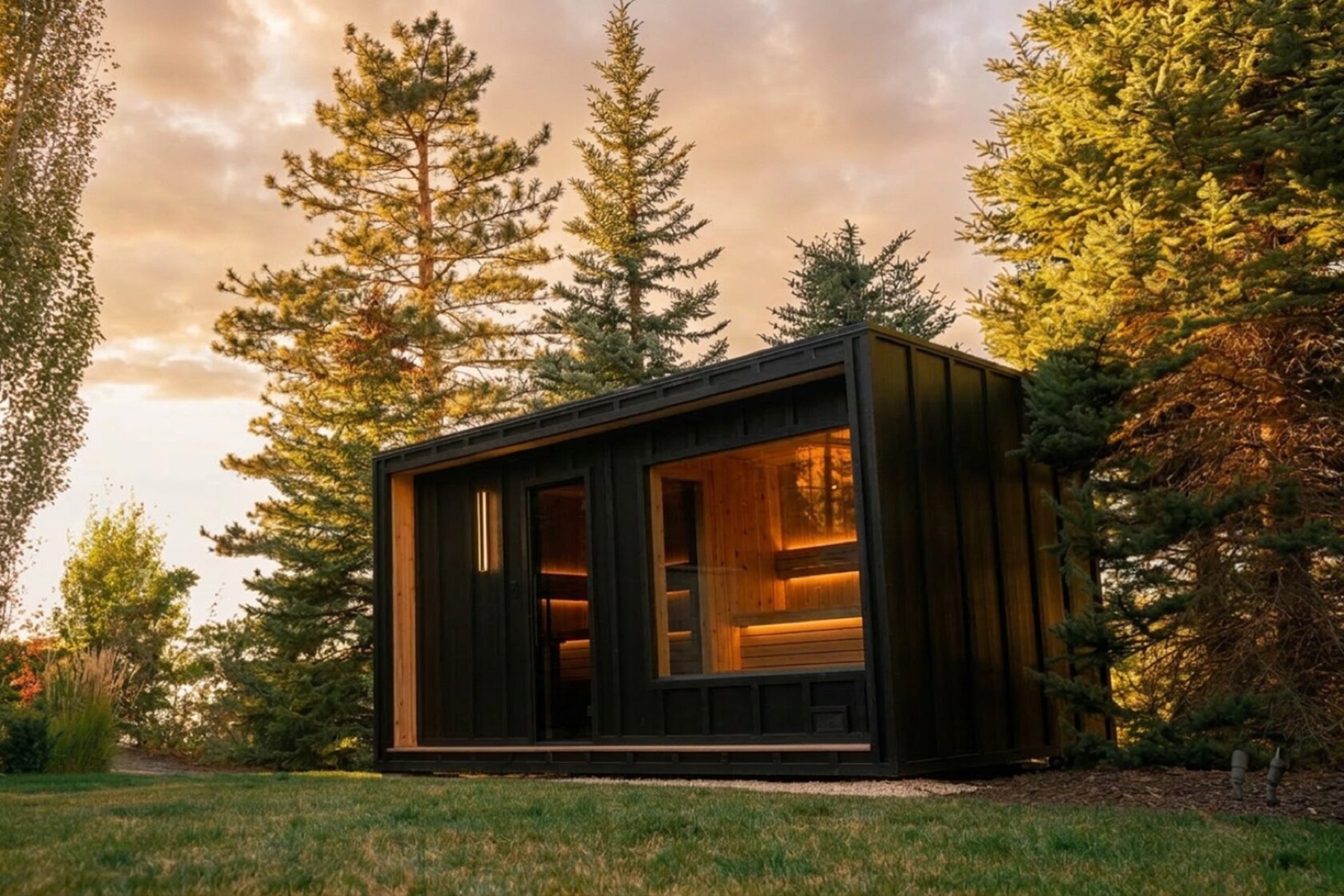
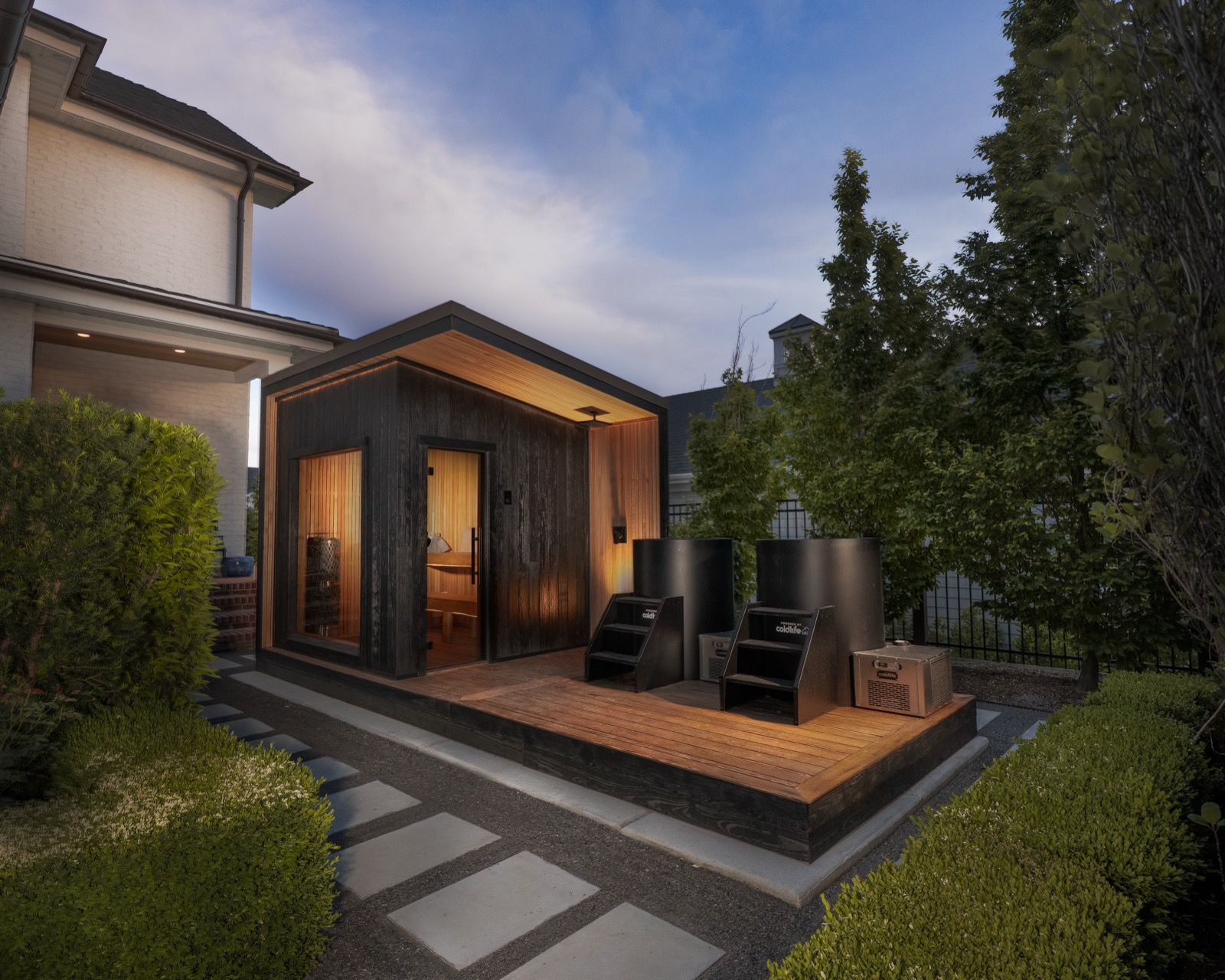
Everything above takes one walk across the yard. Sauna, cold plunge, and a place to be still, in one hand-built structure, delivered ready for placement.
Read the 6 benefits of contrast therapy →Three minutes to find the right sauna and cold plunge for your space.
Hand-built saunas and cold-plunge suites across three tiers. From $26k.
Engineered plans, sauna-grade materials, and how we build to last.
Real saunas and cold plunges installed in real backyards.
Timeline, cost, permits, delivery, warranty. Straight answers.
Pick your model and finishes. Cole follows up within 2 business days.